Studio_Creatio
Sales_Creatio
Marketing_Creatio
Service_Creatio
8.0

Hello Community,


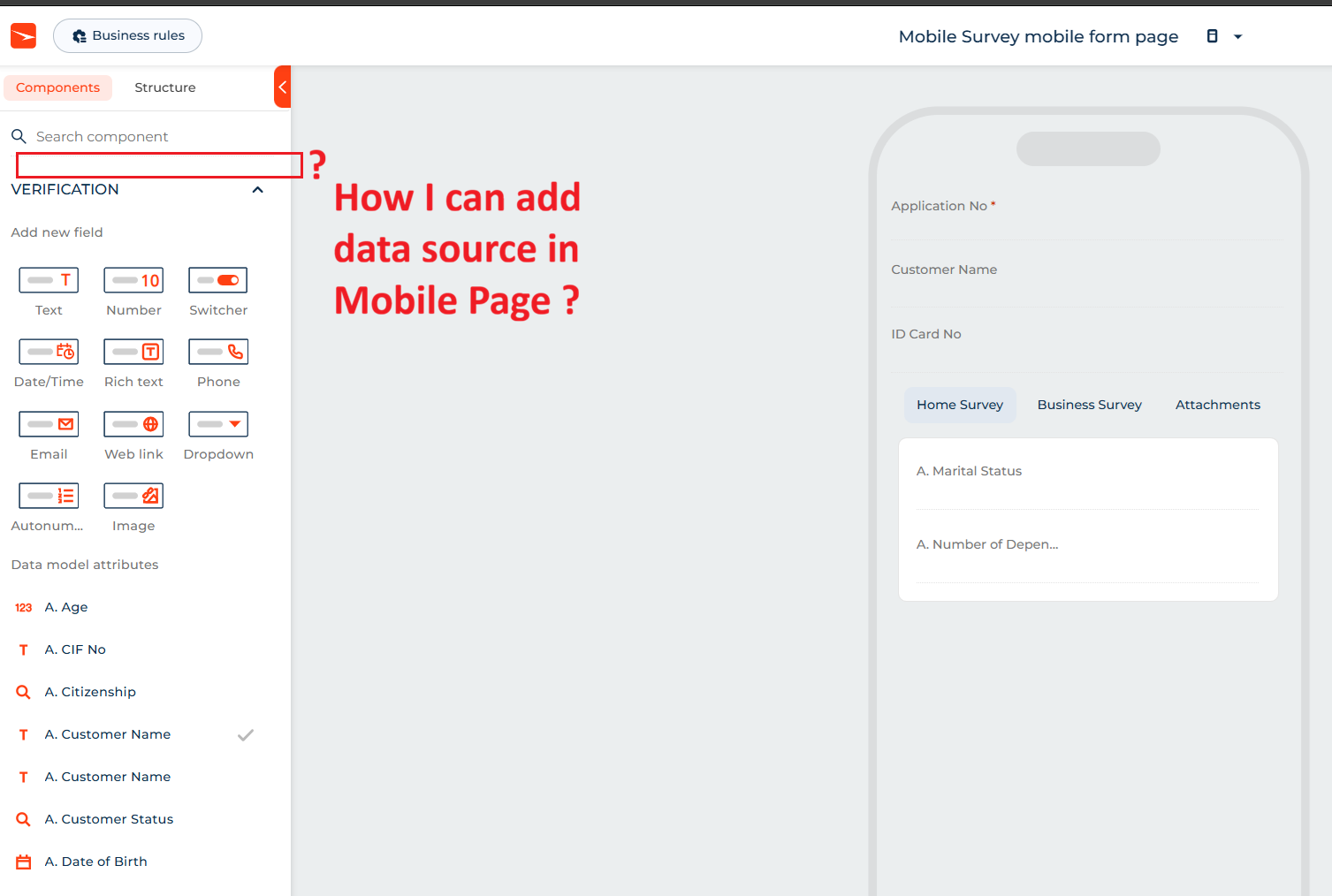
        I am developing a custom Angular component to be used in a Creatio instance. As shown in the screenshot, it directly prompts for “Open source code.” Instead, I want to pass inputs to the component in the same way standard components handle input parameters.


Currently, in the Angular code, the input is being passed as shown below:

@Input()
@CrtInput()
url: string = "";
 

Questions:

  1. What other approaches are available for passing input parameters to custom Angular components?
  2. Also, which JavaScript library would you recommend for working with fillable PDFs?

Regards,
Ajay Kuthe
(Creatio Developer)

Like 0

Like

0 comments
Show all comments
system users
organizational roles
functional roles
Studio_Creatio
8.0

I have already created Organizational Roles and Functional Roles, and mapped them to multiple users.

Now I need to move this configuration to another sandbox environment.

My questions are:

  1. Is there a way to export Org Roles, Func Roles, and user mappings (include password, org role, and functional role together?
  2. Can the user–role mappings be directly imported into another sandbox, or do they need to be reconfigured manually?

I would appreciate any insights or best practices from anyone who has done this before. Thank you.

Like 0

Like

0 comments
Show all comments
FreedomUI
attachments
handlers
Studio_Creatio
8.0

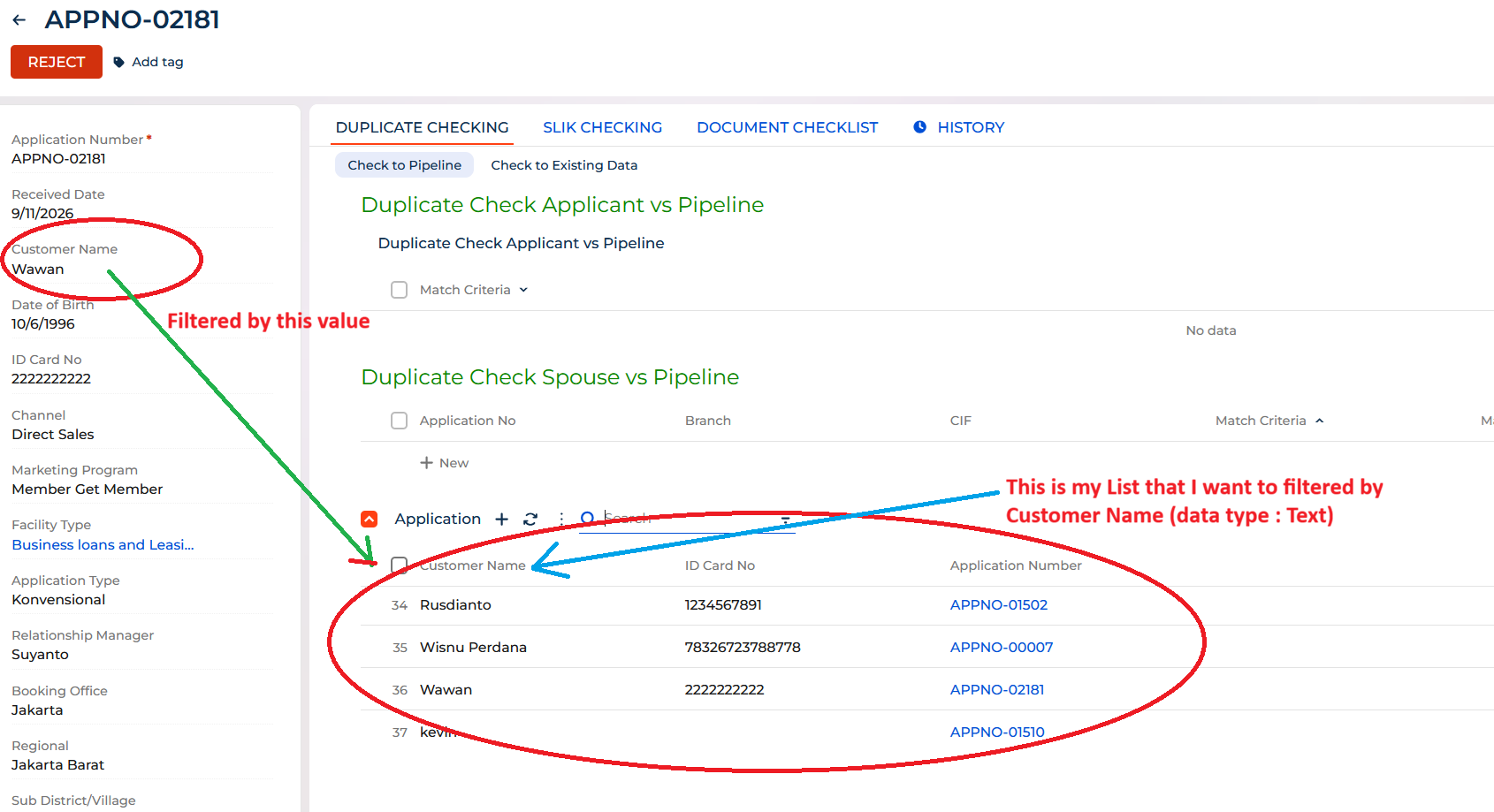
Hello everyone, Is there a way to obtain the ID of the selected file in attachments in a Freedom UI section?

attachments files

Like 0

Like

0 comments
Show all comments

Currently, when users click on the Email or Phone fields on the Contact page, the browser triggers its default behavior (launching the default mail client or calling application).

Is there a recommended way in Creatio (configuration, Freedom UI, or CSS/JS customization) to disable this on-click behavior so the fields are displayed as plain text instead of hyperlinks?

Like 0

Like

2 comments
Best reply

Probably the only way to do that currently is with some CSS. The following CSS will work for that on the contact page: 

crt-communication-options#ContactCommunicationOptions a {
    pointer-events: none !important;
    cursor: initial !important;
    color: initial !important;
    text-decoration: none !important;
}

Ryan

Probably the only way to do that currently is with some CSS. The following CSS will work for that on the contact page: 

crt-communication-options#ContactCommunicationOptions a {
    pointer-events: none !important;
    cursor: initial !important;
    color: initial !important;
    text-decoration: none !important;
}

Ryan

Thanks, @Ryan Farley, for the quick suggestion. However, clicking the phone icon is still triggering the browser’s default application to open.

Show all comments
changelog
change_log
Studio_Creatio
8.0

Hi, is there any time limit set for change log retention? (something similar is already available for process log). 

 Or do I need to manually clear the change log every time? I know there is a business process called "Clear Change Log", which I could use to automate this.  I wanted to check if there is already an out-of-the-box feature available for this before beginning development.

I also noticed that even when a particular record is deleted, its change log remains in Creatio. I understand this is intended behavior to track changes, which is good, but we don’t want it to stay forever.

Thanks

Rishav

Like 0

Like

1 comments

Hello,

At the moment, there is no OOTB functionality for automatic retention or cleanup policy for the Change Log in Creatio.

By default, the change log is expected to be periodically cleared manually. To do so, use the instructions from the following article:
https://academy.creatio.com/docs/8.x/setup-and-administration/administr…

However, we have registered this idea and forwarded it to our R&D team for further review and implementation in future releases.

Have a great day!

Show all comments
Studio_Creatio

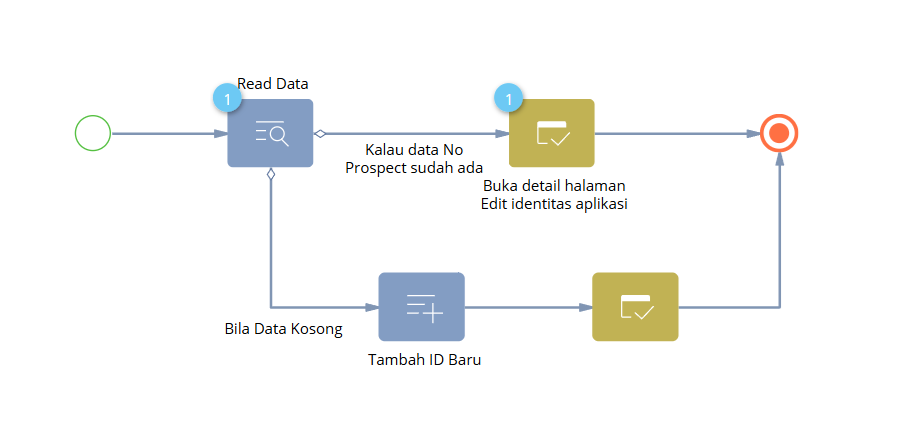
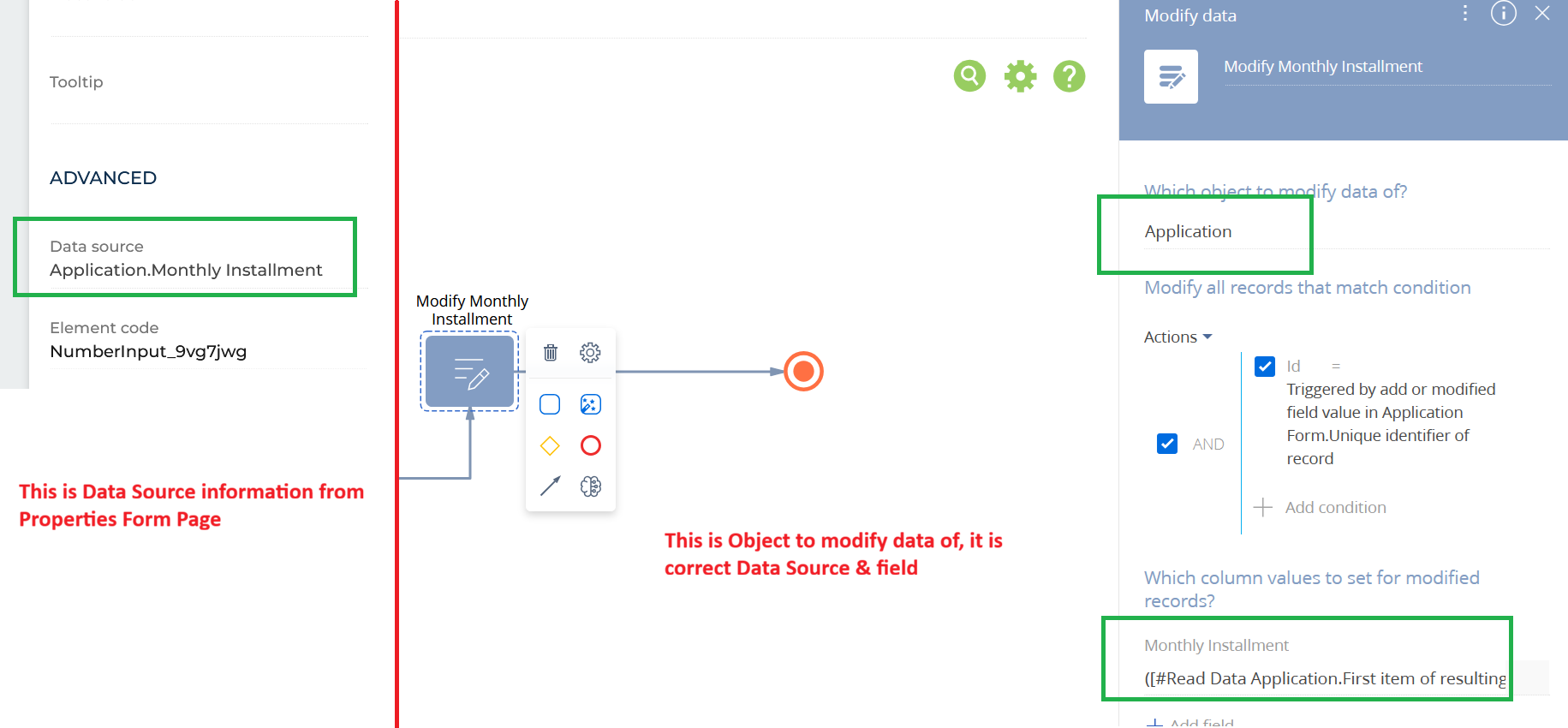
I have a question regarding creating a BPM in my environment.

When I select Contact.Id in the process (as shown in Action 1.png) and then save the process, it later shows only Contact instead of Contact.Id (as shown in Action 2.png).


Like 0

Like

2 comments

Both are equivalent. When checking if a lookup (in your case Contact is a lookup on System Administration Object) is equal to some Id, Creatio will be checking the lookup's Id against that parameter. So both are equivalent, so I guess Creatio simplifies it when saving.

Hello,

This behavior is expected. At this level of the BPM, Contact and Contact.Id are effectively the same. The system automatically resolves the primary key (Id) for the Contact object, so explicitly specifying .Id is not required.

When the process is saved, the designer simplifies the reference and displays it as Contact, since the identifier is implicitly assumed. Functionally, there is no difference in execution or behavior between selecting Contact.Id and Contact in this context.

So the disappearance of .Id after saving does not indicate an issue and does not affect how the process works.

Show all comments
Studio_Creatio
8.0

Could you please explain how I can obtain Creatio Studio so that I can install and run it locally on my machine?
I would like to know the available options for downloading the local/on-premise version, including any prerequisites, licensing requirements, and installation steps.

Thank you in advance for your support

Like 0

Like

1 comments

Hello.

To obtain the Creatio installation files for local deployment, please contact the support team directly at support@creatio.com.

Instructions on how to deploy the local instance are available here:
https://academy.creatio.com/docs/8.x/setup-and-administration/category/on-site-deployment

Best regards,
Antonii

Show all comments
FreedomUI
recordpermission
Object Permissions
permissions
organizational roles
Studio_Creatio
8.0

Access rights need to be assigned at the object level based on roles. 

Our requirement is two-fold:

  1. Assign permissions to specific roles, and
  2. Assign permissions to specific users within a role, based on certain filter conditions.

For example:

  • The X role has role-based permissions, but these permissions must be overridden for certain users within the same role based on filters.
  • For other roles like Y, all users in that role should have access to the records without any additional filtering.

We already have a business process that manages this logic, but the challenge is the large volume of records. Whenever we add a new role to the permission set, we must update the object-level permissions again. This unintentionally exposes all existing records to all users in the X role.

To correct this, we must re-run our business processes on all existing records to ensure that only the intended X users retain access, not everyone in the role. This becomes a very manual and time-consuming activity each time any permission change is required.

Would like guidance on how to achieve this more efficiently, ideally through customization, given the volume of records involved.

Like 0

Like

1 comments

Hello,

In this scenario, the most effective approach is to separate permission management by role type. For roles like Y, where all users should have access to records without additional conditions, standard object-level record permissions can be used without any changes.

For role X, where access must be limited to specific users within the same role based on certain conditions, permissions should be managed exclusively through a business process. The process can be triggered on record creation (and, if required, on record update) and grant access only to the users who meet the defined criteria.

To avoid unintended access, the X role should not be included in the object-level record permissions. This is important because object-level permissions are recalculated whenever role settings change, which is what currently causes all existing records to become visible to all users in role X. When access is granted through a business process, it is not revoked during permission recalculation, and users retain only the access explicitly assigned by the process.

With this approach, adding or modifying roles no longer requires re-running processes for all existing records. Access remains controlled and consistent, and only the intended users within role X will have permissions to the relevant records.

Show all comments

Hello. I deleted old pools in IIS and configured new Creatio. Its started succesfully, but when i fill username and pass fields in http://localhost/CREATIO/ it opens new page http://localhost/CREATIO/0/Shell/ and redirect to login page(http://localhost/CREATIO/). I have full grants to my local directory (C:\Demir\Creatio) 

Like 2

Like

1 comments

Hello.

I recommend checking the following points:

– Verify whether the application was deployed in accordance with the official deployment instructions and whether all required settings were configured correctly:
https://academy.creatio.com/docs/8.x/setup-and-administration/category/on-site-deployment

– After that, open the browser’s developer tools, reproduce the issue, and review the Console and Network tabs for any errors. This should help identify where the problem occurs.

– Additionally, review the application logs and analyze any recorded errors. Information about log storage locations is available in the following article:
https://academy.creatio.com/docs/8.x/dev/development-on-creatio-platform/development-tools/logging/nlog

By default, logs are stored in C:\Windows\Temp\Creatio for applications deployed on Windows, or in the Creatio application directory when deployed on Linux.

Best regards,
Antonii.

Show all comments
Autonumber
Studio_Creatio
8.0

Hi all,

I would like to create an autonumber format with the following pattern:

LOS-dd/MM/yyyy-autonumber
Example of the expected result:
LOS-01/02/2025-00001

I have tried using the Autonumber option on the object field (as shown in the screenshot), but it only supports a static prefix and sequential numbers. It does not support adding dynamic elements such as the current date (dd/MM/yyyy).

How can I generate an automatic number with this format?

Thank you.

Like 0

Like

1 comments

Hello,

The standard Autonumber field in Creatio is limited to a static prefix combined with a sequential counter and does not support dynamic components such as the current date. For this reason, the required format cannot be achieved using the basic autonumber settings alone.

To implement such a format, a custom mechanism is required. This is usually done by generating the value at record creation time using a business process or custom logic that determines the current date, maintains a sequential counter, and assembles the final value before saving it to the field.

Alternatively, the same result can be achieved by implementing autonumbering in the same way it is done for out-of-the-box sections such as invoices, cases, or contracts. In these sections, numbering is generated using an autonumber mask handled by platform logic rather than a simple object field setting. Replicating this approach for a custom object also requires development effort, but it allows full control over the number format and behavior, including dynamic elements.

Show all comments