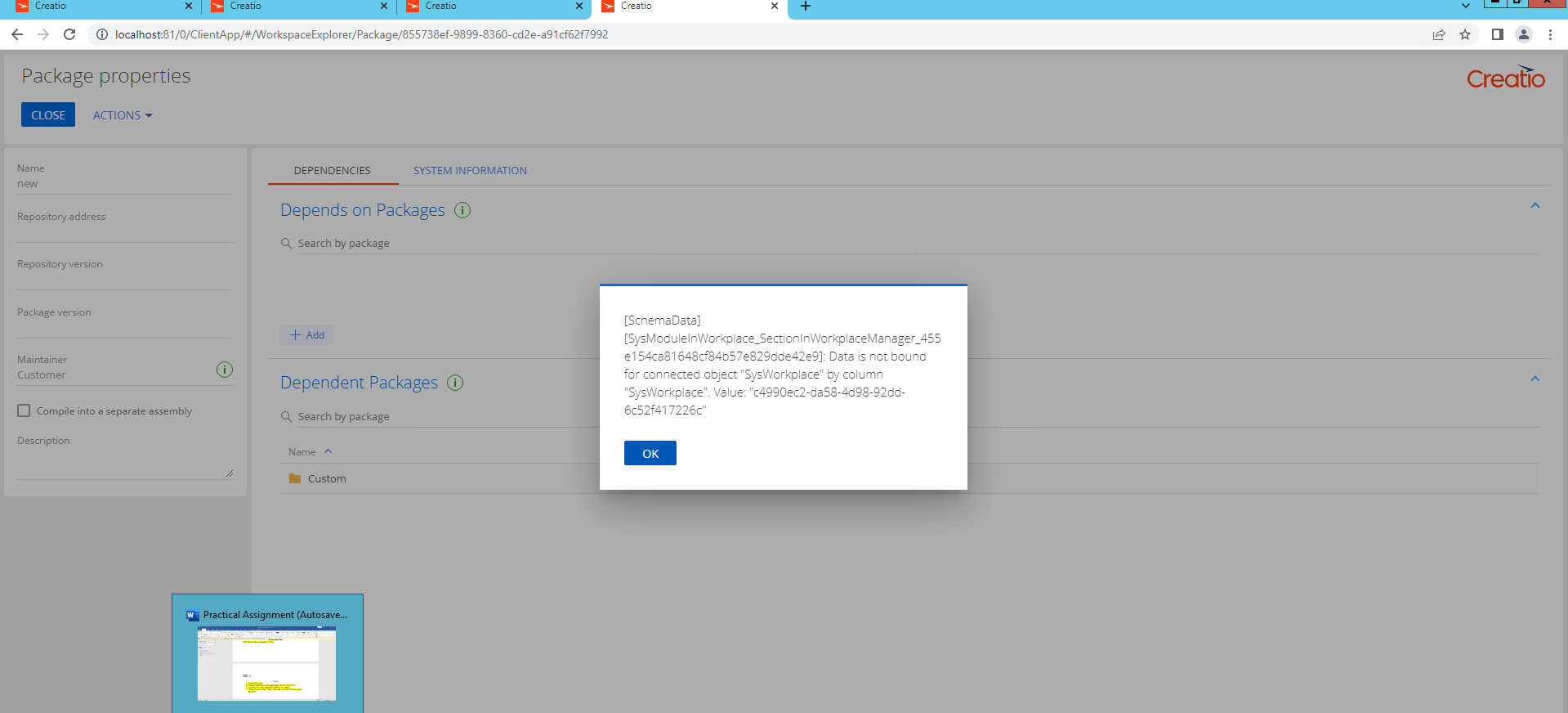
Im trying to transfer a package from one enviroment to another, but get an error saying it cant find the dependent package, when i try remove any dependencies from the package before exporting it, I get a long error, any suggestions?
I want to move object from custom package to another package, let's call it X package. The problem is that when I set X package as default package my process do not see one field I want to use from that object. The object is added to both packages X and custom. The field I need is added to the object in custom package. I tried to move the object from custom to X package, but got error that X package already has that object. Any suggestions?
Hey, there are two possible solutions that I can think of off the top of my head:
1. Create the field manually using code in the desired package and later delete the schemas from the Custom package. (This is less recommended).
2. Create a 3rd package, let's call it Y package, navigate to the dependencies of the X package and add a dependency to the Y package, move the files from the Custom package to Y package.
This should solve the issue for you as the field will be available in the Y package, and because X depends on it, it'll also be available there and thus it should work.
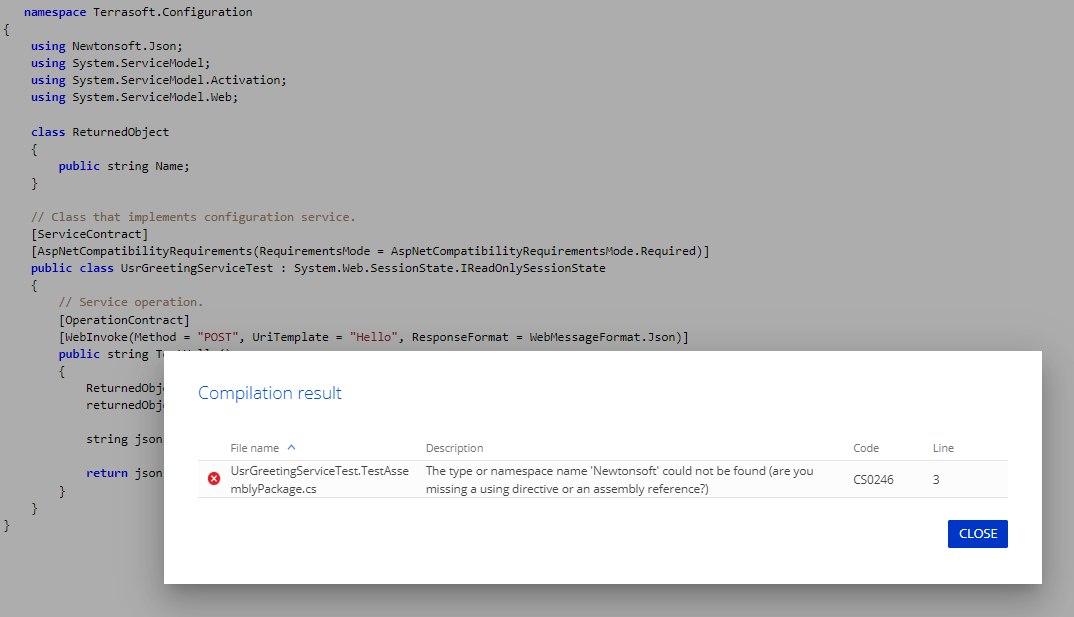
I was trying to create Assemble Package and created one c# file which has dependencies on NewtonsoftJSON dll. When I tried to publish it says it required dll (attached reference). If we import the DLL into the current package it is working as expected but as per my understanding, we need to add the Assembly package dependencies on [Package name].csproj file.
I could see below code already presents there,
False
False
which means should we need to create any folder with Assemblies or we manually need to import all the package dependencies through import?
If it’s a regular package you can use the Newtonsoft.Json core library, but for the assembly package, the required DLL must be added to the package explicitly.
The Assembly package is like an external cs project.
If you want to use an external library like Newtonsoft.Json.dll in your project - you have to specify it as a reference for your project (using) by adding that dll to the package.
The same can be achieved by using the Terrasoft core class without adding any explicit dll reference into the package as below,
Example of the code:
using CommonJson = Terrasoft.Common.Json;
string orderItemsInput = CommonJson.Json.Serialize("YourObject");
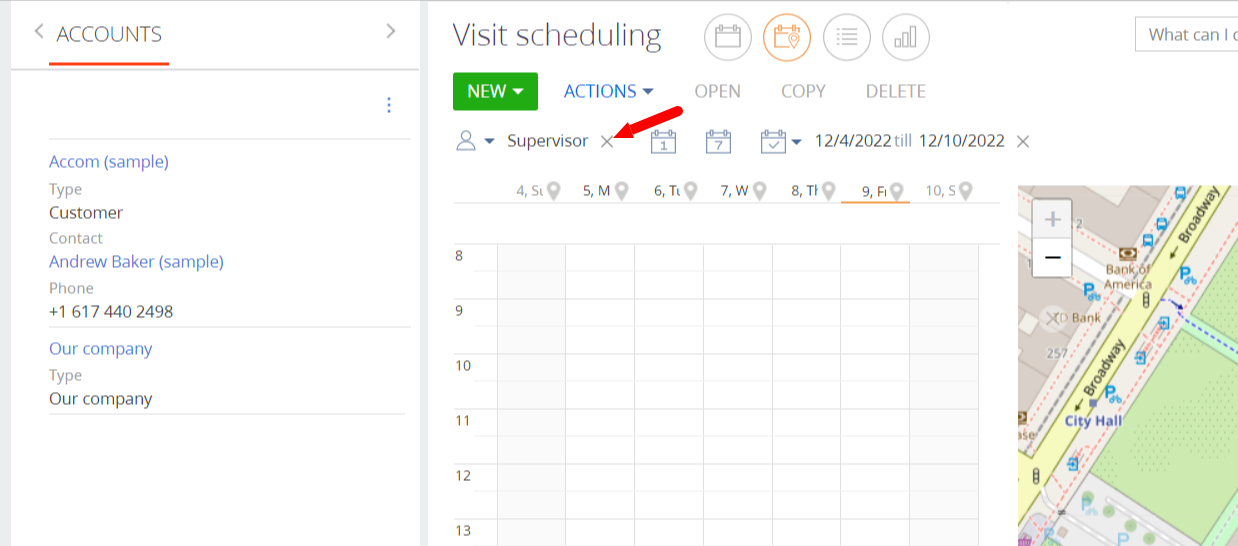
As for the section wizard, this whole detail was created with code, so it would be not possible to enable it. But the first option by clicking the cross sign would be the more simple one.
As for the section wizard, this whole detail was created with code, so it would be not possible to enable it. But the first option by clicking the cross sign would be the more simple one.
While working in a package, it happens that when I modify object permissions, the modifications are saved to package "Custom" even though I set current package value as my package.
Can you please walk me through to remedy to this issue?
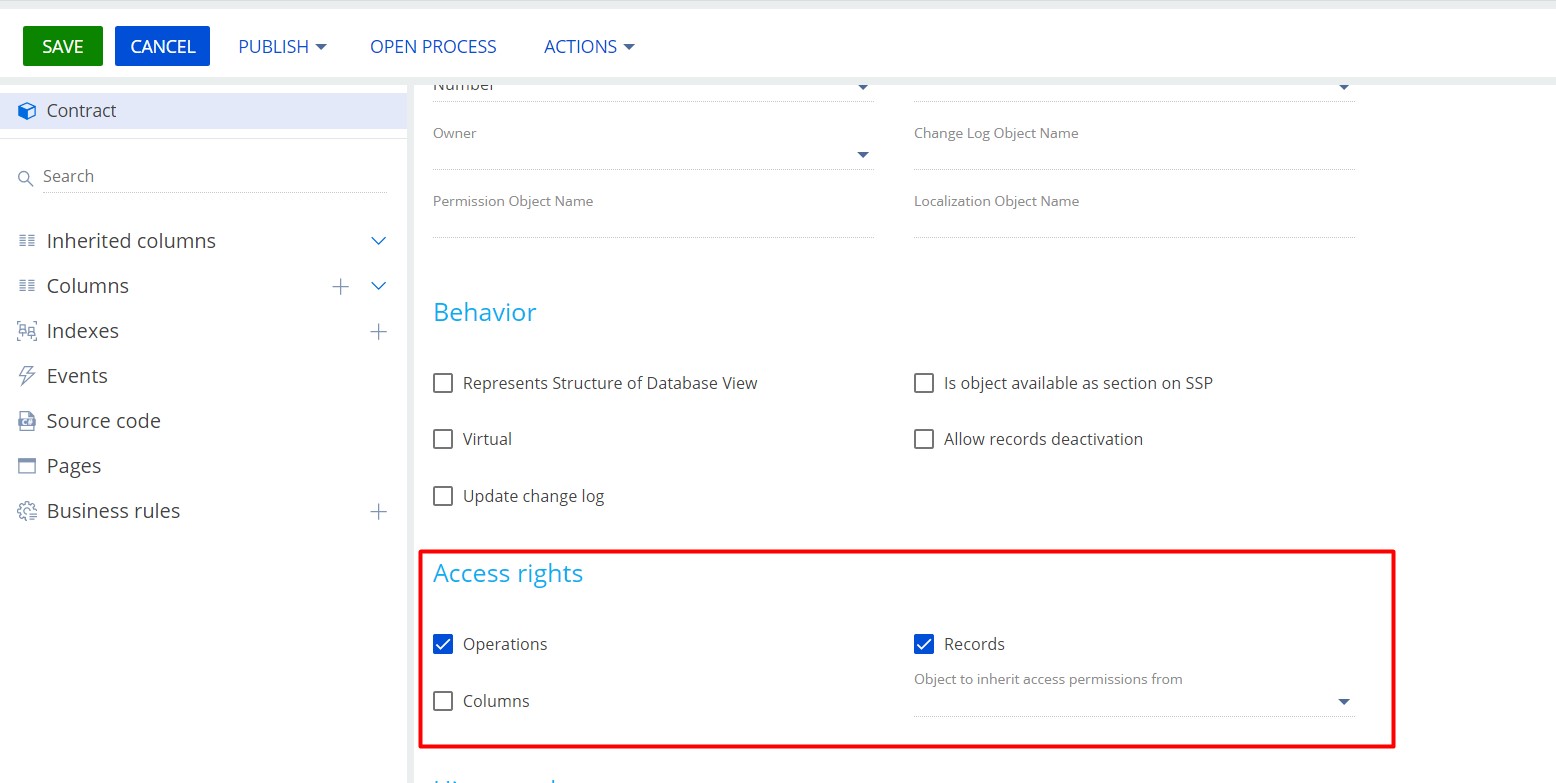
According to the application logic, the changes in the access rights always generate the replacing object in the Custom package, regardless the one you have in the Current package.
We are aware of that and working hard to fix that in our future releases.
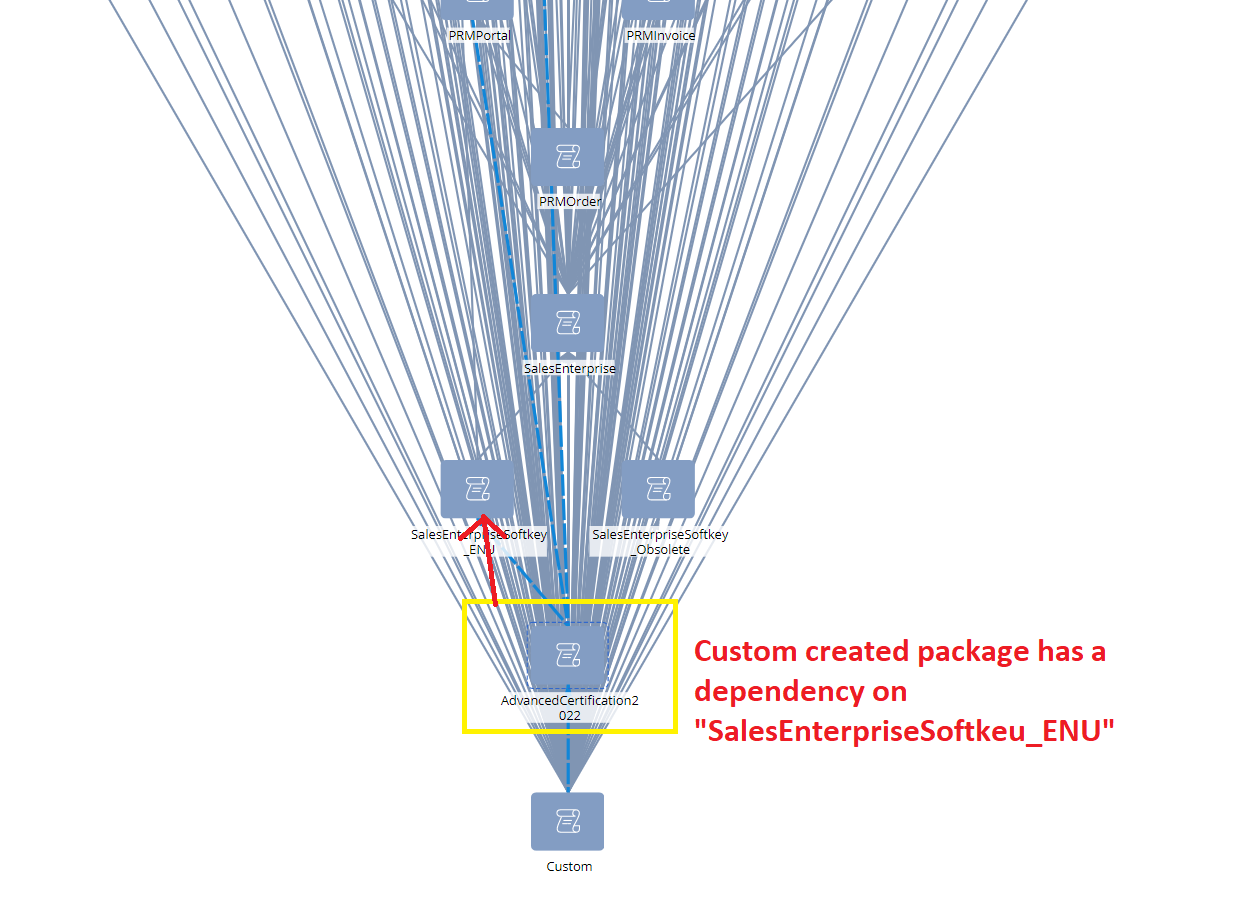
I am developing an application only for the "Sales" module which includes the Sales enterprise, the sales team and the sales commerce edition. Actually, I am developing the application in a "Sales Enterprise" environment and I only have the "SalesEntepriseSoftKey_ENU" package.
Which should be the right package to set to work with all the Sales product versions ?
It's recommended to have the package that has access/connected to all the base packages of the Creatio bundle. Also, the package dependency diagram in the configuration section will give insight into the structure of the package of products (Sales, Service, Marketing, Studio).
In your case (i.e., sales bundle), the package SalesEntepriseSoftKey_ENU shall be added in dependency. Please be informed that SalesEntepriseSoftKey_Obselete package shouldn't be added in dependency as this might be removed in the product updates.
The problem here is that if I put the dependency on "SalesEnterpriseSoftkey_ENU" package, it will only work with the "SalesEnterprise" products of Creatio, not SalesTeam nor SalesCommerce.
Parameter IsLocked mainly affects if you can edit the schema or the package. Only the author of the lock can edit these elements. In the database, this author isn't mentioned and you can see only IsLocked.
The system will check the author on the other level.
I believe the error is indicating that you have bound data in your package for SysModuleInWorkplace and the bound data references a record in SysWorkplace that doesn't exist in your package.
Basically, you've added something to a workplace and bound that in the package. However, The workplace itself hasn't been added as bound data to the package.
To solve this, add bound data for the SysWorkplace record that is referenced by the SysModuleInWorkplace record currently bound in the package.
Please follow the described steps on how to bind data: (Use your ID from error message) 1. Create a "Data" element in your package. Example in screenshot below. 2. Select the SysWorkplace object. Example in screenshot below. 3. On the "Bound Data" tab, add the id specified in the error. Example in screenshot below. 4. Select the id specified in the error from the list. Example in screenshot below.